ABOUT US

null

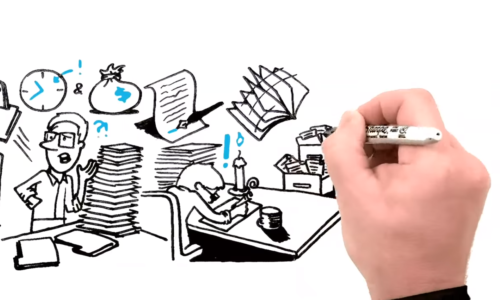
Fire Station Checklist is doing its duty towards the society by helping fire stations more efficient. The following press release talks about just that- the mission of Fire Station Checklist, and how it is helping to make the society safer. Fire Stations require a high degree of management, with a lot of accuracy. Considering the situations where a fire station has to instantly deploy resources in, it is vital that everything always be ready and available in the best condition. For simplifying the work of the fire station staff and to make the management of the resources at the station available, Fire Station Checklist has developed a suite of IT products. There is a significant amount of paperwork to be filled at every stage of a fire station’s working- when a new shift comes in, when the old ones leaves, when the fire trucks are sent for an emergency and so on. Simplification and digitization of these forms is taken care of by Fire Station Checklist.

OUR FAST FIELD MODULE

null

Fire Station Checklist has a FAST Field module to take your paper process to the next level.

EASY TO DEPLOY

null

Deploying our platform is simple and requires no hardware to purchase or maintain.

THE BOTTOM LINE

null

This is the business case to show how an organization will benefit from these solutions. It will also detail the costs.

SUPPORT

null

Testimonials

null
No shortcode ID found

Office Location

Fire Station Checklist 1640 Woodlake Cir Brighton, MI 48116

 Call Us

(810) 335-2205


Have a Question!

null

    Examples turn abstract ideas into situations that readers can inspect, compare, and remember. In technical writing, a strong example does more than illustrate a definition: it shows how a principle behaves under realistic conditions and where its limits begin. A classroom test example should therefore include the relevant data, the expected method, and a clear explanation of why the answer follows, rather than presenting a bare result. Examples are also valuable in product design, where contrasting versions reveal how small changes in layout, wording, or sequence affect user decisions. The most effective explanations usually move from a simple case to a more complex one, giving readers enough structure to recognize the pattern without treating every situation as identical. When examples are accurate, varied, and closely tied to the subject, they support judgment instead of replacing it, helping people transfer an idea to problems they have not seen before.